Showing posts with label aroma. Show all posts

Friday, November 16, 2018

The smells God loves

Image: Pixabay
TODAY’S SPECIAL: Ephesians 5-6; Psalm 10

TO CHEW ON:
“And walk in love, as Christ also has loved us and given Himself for us, an offering and a sacrifice to God for a sweet-smelling aroma.” Ephesians 5:2

Paul's description of Christ’s sacrifice as a “sweet smelling aroma” only makes sense when we put it into the context of the Old Testament.

The first instance we have of the connection between God and the smell of a sacrifice is when Noah left the ark and made a burnt offering. Then “… the LORD smelled a soothing aroma…” and determined to never again curse the ground or wipe out humanity - Genesis 8:20,21.

The Old Testament sacrifice system was full of smells;
  • The aroma of sacrificed (burning) animals, animal parts (like fat), and grain (Leviticus 1:9, 8:21).
  • The aroma of a specially concocted anointing oil to be used exclusively for setting  aside people and things as holy (it contained the fragrances of myrrh, cinnamon, sweet-smelling cane, and cassia) - Exodus 30:22-33.
  • The aroma of incense, burned on a special altar—the Altar of Incense in the Tabernacle and in censers which only authorized people were to offer in the prescribed way (Leviticus 10:1,2).

Here, in Ephesians, when Paul speaks of Christ in His death as being a “sweet-smelling aroma,”  keeping all the above in mind, we get it.  Jesus’ death was the appeasing smell of sacrifice to God like the smell of the OT animal, grain, and incense offerings had been. (Of course we realize this is metaphorical because Jesus wasn’t burned; there was no literal smell of smoke involved in His death.)

  • Paul also speaks of aroma as it applies to our witness in 2 Corinthians 2:15,16.
  • In Hebrews 13:15, 16 the writer speaks of us bringing a “sacrifice of praise” (though no smell is actually mentioned).
  • And in Revelation 5:8, the prayers of the saints are described as “golden bowls full of incense.”

What strikes me about the connection of fragrance with worship is what it signifies of being set apart (in the case of the anointing oil) and destruction (sacrifice, burning) of the thing being sacrificed (animals, grain, incense).

Romans 12:1 comes to mind:

“I beseech you therefore brethren by the mercies of God, that you present your bodies a living sacrifice, holy, acceptable to God, which is your reasonable service.”

I ask myself, I ask you: are we that “sweet-smelling aroma” to God in death to self, holiness, witness, worship, and prayer?

PRAYER:
Dear Father, I pray that my life will be a “sweet-smelling aroma” to You today. Amen.

PSALM TO PRAY: Psalm 10

 *********
Unless otherwise noted all Scripture quotations are taken from the New King James Version®. Copyright © 1982 by Thomas Nelson, Inc. Used by permission. All rights reserved.


Sunday, February 18, 2018

The "sweet aroma" of sacrifice

Offering a sacrifice (Image: Pixabay)
TODAY’S SPECIAL: Numbers 28-30; Psalm 49

TO CHEW ON:
“Command the children of Israel, and say to them, ‘My offering, My food for My offerings made by fire as a sweet aroma to Me, you shall be careful to offer Me at their appointed time.” Numbers 28:2

Do you have a favorite smell? Have you noticed how smells have the power to jog your memory and trigger your emotions? It’s interesting to note that apparently God too has a sense of smell, and that smells also cause Him pleasure or displeasure. At least ten times in Numbers 28 and 29 following the introduction of the idea in Numbers 28:2 (our focus verse), we read the expression “a sweet aroma to the LORD.”

This “sweet aroma” was not the scent of perfume, flowers, or the seaside, but the smell of burning. Every one of the “sweet aroma”s in our passage came as a result of a burnt sacrifice of an animal alone or offered with flour and oil.

The first time we read of God being moved by the aroma of a sacrifice is in Genesis 8:21, when Noah offered clean animals after leaving the ark. “The idea is that Noah’s sacrifice was a propitiation or satisfaction of God’s righteous requirement,” explains an article on GodQuestions.org.

The same is true of the sacrifices we read of in Leviticus and here in Numbers: “As in the case of Noah’s offering, what pleased the Lord was the commitment to offer worship in His name as He commanded” (above article).

God’s pleasure at the smell of a burning sacrifice was not an automatic reaction, however, but very much in tune with the attitude and actions of the worshiper. For when instituting this sacrifice system, God said to Moses: “And after all this, if you do not obey Me but walk contrary to Me … I will not smell the fragrance of your sweet aromas” - Leviticus 26:27,31.

There are at least two references to that sacrificial aroma in the New Testament that help to connect us today to God’s olfactory reaction to offerings in the Old.

In 2 Corinthians 2:14-15 Paul challenges Christians to be the aroma of Christ to all. We know that Christ was the final sacrifice, the one by which we have life. Since His was a sacrifice of both His death and our life, the aroma of our lives should affect all around us (“…those who are being saved… and those who are perishing”) with reminders of life or death.

I ask, are we so dead to self, alive to Christ that our lives actually remind those being saved of life, those unsaved of death?

In Ephesians 5:2 Christ’s sacrifice to God (“for a sweet-smelling aroma”) is connected with His love. Paul challenges readers of His day and us today to walk in Christ’s sacrificial love.

Do we live with such love?


PRAYER:
Dear Father, Your reaction to the smell of sacrifice challenges me to be more complete in offering myself to You in the way Paul describes it, “… present your bodies a living sacrifice, holy, acceptable to God …” (Romans 12:1). Amen.
 
PSALM TO PRAY: Psalm 49

 *********
Unless otherwise noted all Scripture quotations are taken from the New King James Version®. Copyright © 1982 by Thomas Nelson, Inc. Used by permission. All rights reserved.
Thanks for reading! This year we are using The Bible Project "Timeless Reading Plan" to read through the Bible in 2018. If you'd like to read along in your own Bible, you can download a pdf of the reading plan HERE.

Sunday, April 27, 2014

Dichotomy within the gospel


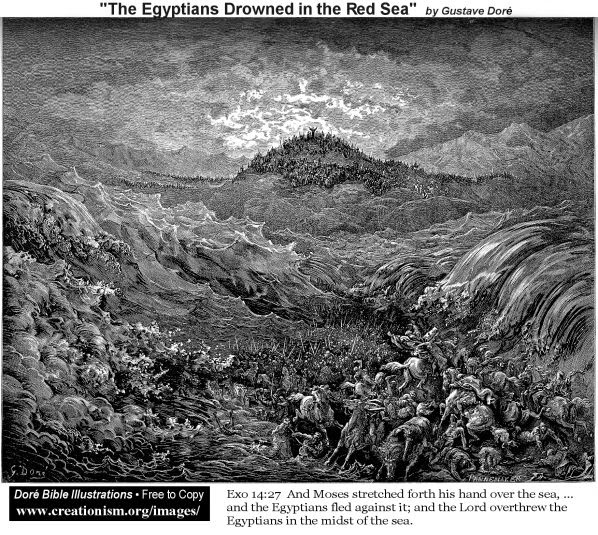
TODAY'S SPECIAL: Exodus 14:10-31

TO CHEW ON: "And the Angel of God who went before the camp of Israel moved and went behind them; and the pillar of cloud went from before them and stood behind them. … Thus it was a cloud and darkness to the one, and it gave light by night to the other, so that the one did not come near the other all that night." Exodus 14:19-20


The Egyptians were in hot pursuit of Israel after their exit from Egypt. But when the Egyptian army was about to pounce, God cut them off. His miraculous cloud served double duty, darkening the night for the Egyptians while it illuminated the journey through the sea for Israel.

This cloud reminds me of the way God's plan works double duty in other parts of the Bible.

The prophets (Isaiah 28:16; Zechariah 10:4), Jesus (Mark 12:10), and the apostles (Ephesians 2:20-22) use imagery of a cornerstone to describe Jesus and His work. But not everyone accepts Him as this. Peter describes how to those who don't believe  in Jesus, He is a "stone of stumbling and rock of offence" (1 Peter 2:8).

Paul talks about the knowledge of Christ as a fragrance. To those being saved it's the fragrance of life but to unbelievers it is the "aroma of death" - 2 Corinthians 2:14-16.

"'Do not think that I came to bring peace on earth,'" Jesus says in another instance. "'I did not come to bring peace but a sword.'" He goes on to say how belief in Him may cause a rift between people in the closest relationships (Matthew 10:34-38).

From earliest installments of the story (like our reading in Exodus) we have seeds of the gospel's potential to divide. So let's not be caught off guard when our faith offends, when our beliefs cause arguments, when even our closest relationships are affected by our loyalty to Jesus and the gospel.

PRAYER: Dear God, help me to be uncompromising in my loyalty to You and the gospel, regardless of the reaction of those around me. Amen.

 *********
Unless otherwise noted all Scripture quotations are taken from the New King James Version®. Copyright © 1982 by Thomas Nelson, Inc. Used by permission. All rights reserved.


Bookmark and Share


Friday, March 28, 2014

The aroma of a life

TODAY'S SPECIAL: Ephesians 5:1-20

TO CHEW ON: "And walk in love as Christ also has loved us and given Himself for us as an offering to God for a sweet-smelling aroma." Ephesians 5:2

For someone who loves perfume as much as I do, Ephesians 5:2 resonates. Here Paul calls Jesus' death a "sweet-smelling aroma." This aroma (euodia) metaphor has its roots way back in the Old Testament, and drifts, as smells do, through to the end of the New.

We find God's reaction to Noah's sacrifice after the flood described in terms of smell: "And the Lord smelled a soothing aroma" - Genesis 8:21. In many more places the writers described sacrifices as aromas. A ram offered in Exodus 29:18 was called "a sweet aroma, an offering made of fire." Loaves of bread burned were "..a sweet aroma to the Lord" - Exodus 29:25. (See also Leviticus 1:9, 13, 17; 2:9; 3:5 etc.)

In our reading today Paul hearkens back to this aroma of sacrifice when he says that Jesus is to us "an offering to God for a sweet-smelling aroma" - Ephesians 5:2. In other words, the aroma of Jesus' death as a sacrifice in our stead satisfied God.

In 2 Corinthians Paul extends the aroma metaphor to the way we live our lives. He says the scent we exude (by how we live and what we say) communicates a message to those who have trusted Christ and to those who haven't:
"For we are the sweet fragrance of Christ [which exhales] unto God, [discernible alike] among those who are being saved and among those who are perishing:    
 To the latter it is an aroma [wafted] from death to death [a fatal odor, the smell of doom]; to the former it is an aroma from life to life [a vital fragrance, living and fresh]" 2 Corinthians 2:14-16 - Amp.

This life-aroma picture is pretty powerful, especially if we add to it that Old Testament aroma of sacrifice (bringing to mind, for example, verse like Romans 12:1: "I beseech you therefore, brethren, by the mercies of God, that you present your bodies a living sacrifice, holy, acceptable to God..." - NKJV).

In another place, Paul calls the material gifts of the Christians from Philippi "a fragrant aroma, an acceptable sacrifice, well pleasing to God" (Philippians 4:18).

And finally, in Revelation, the prayers of the saints are compared to incense—the aroma-producing substance burned in celebrations of worship throughout the Bible (Revelation 5:7-9 and 8:3-5).

Whether we love actual perfume, or don't, these pictures of the perfumed life apply to all of us. I ask myself, is my life a fragrant sacrifice which pleases God? Do I spread the aroma of the gospel? Do I pray?

PRAYER: Dear God, I want my life to be a pleasing aroma to You and those around me. Please make me aware of areas in me that are foul smelling. Amen.

MORE: Sense of smell

The ability to smell is a wonderful part of our physical makeup. Here are some facts about this sense:

  • Everyone has his or her own unique odor-identity or "smell fingerprint."
  • A woman's sense of smell is keener than a man's.
  • Our sense of smell is least acute in the morning; our ability to perceive odors increases as the day wears on.

These facts about our sense of smell from the Sense of Smell Institute - Fun Facts with Professor Nosetradamus page (no longer online).

*********
Unless otherwise noted all Scripture quotations are taken from the New King James Version®. Copyright © 1982 by Thomas Nelson, Inc. Used by permission. All rights reserved.


Bookmark and Share

Related Posts Plugin for WordPress, Blogger...